


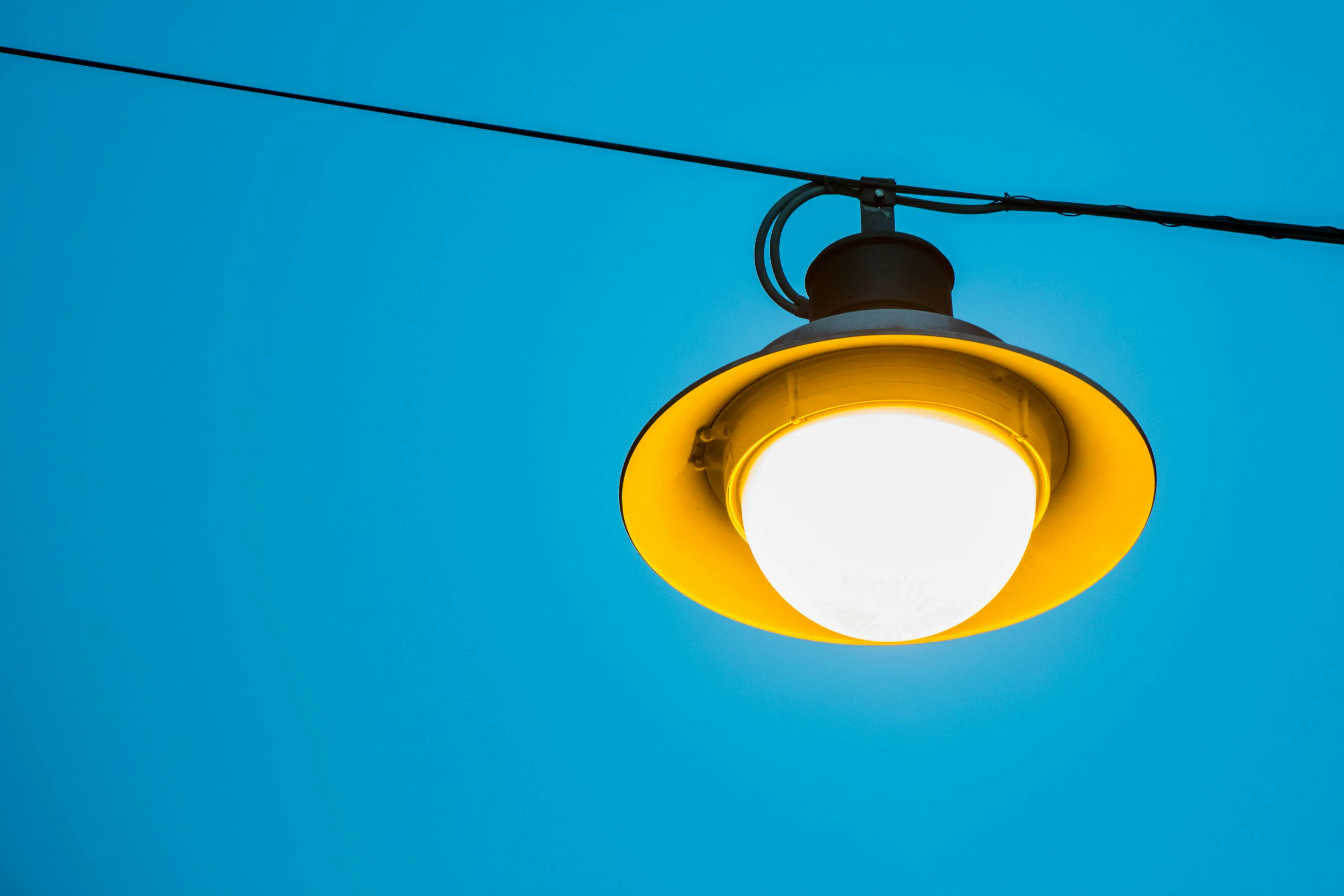
Every time I walk into a building, I notice the same pattern: lights running at full power from the moment the doors open until the last person leaves.
It works, of course. But in 2026, it’s also one of the simplest ways to waste electricity.
After working on many lighting projects over the years, I’ve come to a clear conclusion: real energy savings rarely come from a simple bulb replacement. Switching from fluorescent or older lighting technologies to LED is an important step—but it’s only part of the solution.
The real impact begins when lighting systems start responding to the environment around them.
When efficient LED fixtures are combined with technologies like DALI controls, daylight sensors and motion detection, lighting stops behaving like a passive utility and starts operating as an intelligent system. That’s when the real efficiency gains appear.
LED Is the Foundation, Not the Finish Line
For most buildings, the journey toward better efficiency begins with LED upgrades. And for good reason. Compared to older fluorescent systems, LEDs consume significantly less electricity and offer a much longer operational life.
In many retrofit projects, switching to LED lighting alone can reduce lighting energy consumption by 40–60 percent.
But even the most efficient LED fixture still wastes energy if it’s running at full brightness in an empty hallway.
Efficiency isn’t only about the technology itself—it’s about how that technology is used.
DALI: Bringing Intelligence to Lighting
One of the most useful tools in modern lighting design is DALI (Digital Addressable Lighting Interface).
Traditional lighting systems typically treat an entire circuit as a single on/off group. DALI changes that completely. It allows each fixture—or groups of fixtures—to be controlled individually.
From my experience, this flexibility makes a huge difference in environments like warehouses, office buildings and parking facilities. Lighting needs vary from one area to another and from one moment to the next. A system that can adapt to those changes naturally consumes less energy.
Don’t Ignore the Most Powerful Light Source: The Sun
Another often overlooked opportunity is daylight.
Many buildings already receive large amounts of natural light through windows, skylights or glass facades. Yet artificial lighting systems frequently operate as if daylight doesn’t exist.
Daylight harvesting systems solve this problem. With light sensors measuring natural illumination levels, artificial lighting automatically adjusts to maintain a consistent brightness level.
When sunlight increases, LEDs dim down. As daylight decreases, artificial lighting gradually increases again.
It’s a simple concept—but the energy savings can be significant.
Step Dimming for Low-Traffic Spaces
Not every space inside a building requires full brightness all the time.
Areas like corridors, stairwells, storage rooms or parking garages often benefit from step dimming strategies. Instead of operating at maximum output continuously, lighting levels adapt based on activity.
A typical configuration might look like this:
Busy periods: 100% brightness
Moderate activity: around 70%
Low traffic: 30–40%
Security level: 10–20%, enough to maintain visibility with minimal energy use
This approach keeps spaces safe and functional while dramatically reducing unnecessary energy consumption.
Motion Sensors: Light Only When It’s Needed
Motion sensors are one of the most practical tools in lighting efficiency.
When movement is detected, lighting increases to the required level. When the space remains empty for a certain period, lights dim or switch off automatically.
In spaces that are used intermittently—such as storage areas, service corridors or parking zones—this simple adjustment can eliminate a large portion of wasted electricity.
The Bottom Line
From what I’ve seen in real-world projects, the biggest efficiency gains rarely come from a single technology.
They come from combining several practical solutions.
LED lighting provides the foundation. Intelligent control systems—such as DALI networks, daylight harvesting and motion sensors—add the layer of intelligence.
Together, these technologies transform lighting from a static utility into a dynamic system that actively manages energy use.
Sometimes improving efficiency doesn’t require building something new. It simply means making the systems we already have a little smarter.