The round-trip efficiency argument against iron-air — 45 to 50% versus lithium-ion's 85 to 95% — collapses the moment you price both technologies at the same duration. Storing 100 hours of electricity in lithium-ion costs approximately $13,000 per kilowatt-hour of capacity. Form Energy's iron-air system targets $20. The efficiency loss costs less than the capital saved. That crossover occurs somewhere between 12 and 24 hours of duration, which is precisely where lithium-ion's economic case stops being defensible and iron-air's begins.
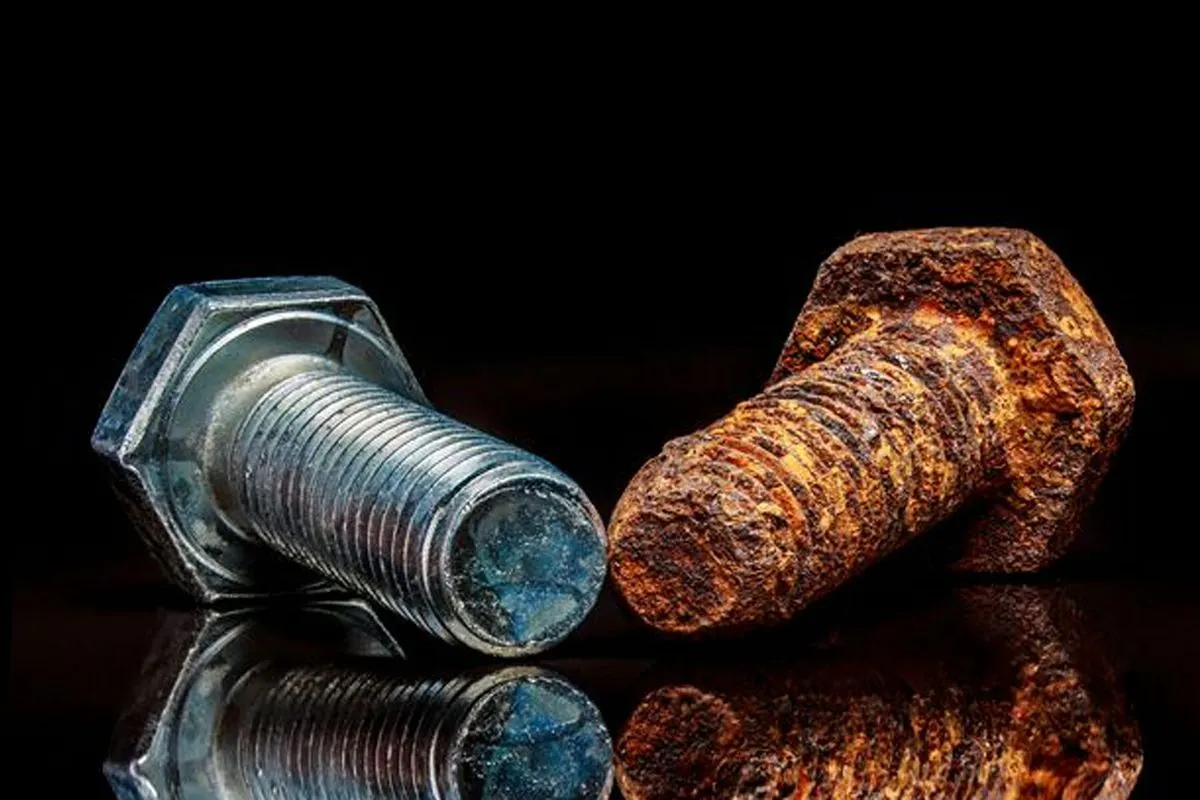
The electrochemistry is straightforward: iron oxidises in an aqueous alkaline electrolyte during discharge, releasing electrons. Applied current reverses the reaction during charging, reducing iron hydroxide back to metallic iron. The cell breathes air — no lithium, no cobalt, no rare earth supply chain. Active material is iron pellets and potassium hydroxide. Thermal runaway is not a failure mode. This matters for siting, permitting, and insurance at scale in ways the industry has not yet fully priced in.
Commercial deployment is underway. Form Energy's 1.5 MW pilot with Great River Energy came online in 2025. A 15 MW system for Georgia Power and two 10 MW projects for Xcel Energy follow in 2026. PacifiCorp's inclusion of 3,073 MW in its 2025 IRP is the most significant commercial signal to date — a regulated utility making a structural resource planning commitment, not a research allocation.
Key limitations for practitioners: response time is minutes, not milliseconds — iron-air does not provide frequency regulation or synthetic inertia services. Energy density is 5 to 10 times lower than lithium-ion by volume, which constrains urban siting. And critically, no multi-year commercial cycling data exists yet. Every financial model using this technology is operating ahead of the field evidence.
The Africa dimension is underreported: the continent holds significant iron ore reserves — Guinea alone holds the world's largest high-grade deposits — while facing the exact multi-day storage deficit that iron-air addresses. Rural mini-grid failures are predominantly caused by consecutive low-generation days exhausting lithium storage, not by daily peak-shifting gaps. The match between technology capability and deployment context is structural, not incidental. The manufacturing and policy infrastructure to capture that alignment does not yet exist.
Full article: https://medium.com/@donfackfortune/the-iron-standard-789aaceb1d90
Published under REM — Renewable Energy Mall & Engineering Review