

When major storms strike, utilities shift immediately into their most critical operating mode. Customers expect rapid restoration, regulators expect defensible decisions, and crews expect fairness in how work is assigned. Yet one of the most foundational elements of storm response: workforce callout, has changed surprisingly little over time.
Callout is often treated as a tactical step; notify crews and get people in the field. In reality, it is a complex operational function that sits at the intersection of workforce management, compliance, and emergency response. As storms become more frequent and workforces more constrained, the limitations of traditional callout approaches are becoming increasingly difficult to ignore.
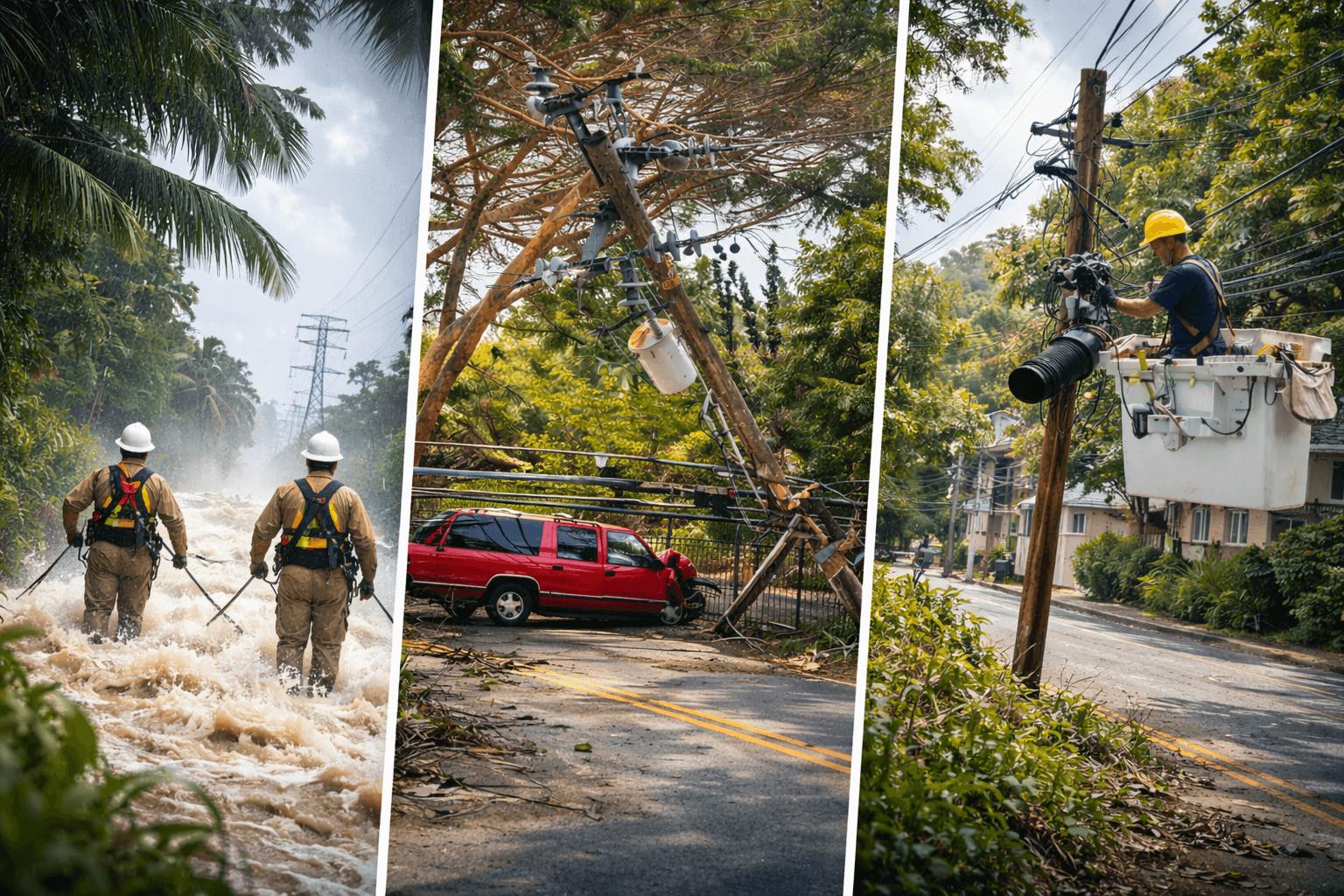
Anyone who has managed emergency response knows that workforce mobilization is far more than a list of names and phone numbers. Union agreements dictate who can be contacted, in what order, and under what conditions. Fatigue rules and rest requirements must be respected, or incidents can happen. Every decision may later be reviewed by regulators, union leadership, or internal stakeholders.
For example, when a storm escalates overnight, a supervisor may need to mobilize additional line crews by calling out the next eligible group based on rotation and seniority, wait a defined response window, then move to alternates if no response is received - all while ensuring crews have met rest requirements. If this process is not executed consistently or documented in real time, disputes and compliance issues often emerge after restoration is underway. In addition, callouts are frequently used on blue sky days; typically during off-hours to address immediate needs - such as a vehicle striking a pole at 2 AM.
Historically, utilities have relied on phone trees, spreadsheets, or standalone systems to manage this complexity. These approaches don’t scale well even during blue-sky days, and are critically exposed during large-scale storms, where they place enormous pressure on dispatchers and supervisors.
Effective callouts must balance speed, fairness, and accountability simultaneously - a balance that is increasingly difficult to achieve with manual or loosely connected tools.
In many organizations, callouts exist in a silo, disconnected from storm management, contractor coordination, and mutual aid workflows.
When workforce mobilization is disconnected from broader storm response workflows, decision-making slows precisely when urgency is highest. Leaders spend valuable time reconciling information instead of directing response. The result is not just inefficiency, but added stress on teams already operating under pressure.
As emergency preparedness and response becomes more data-driven and time-sensitive, the industry is beginning to recognize that mobilizing crews cannot remain an isolated function. It must be treated as a core operational capability, tightly aligned and in the same system as emergency planning and response. To optimize large-scale emergency response, utilities must manage resource acquisition and allocation in a single solution. With nearly every non-IOU contractor active in the Urbint ecosystem, this integration acts as a force multiplier, driving proven improvements in restoration performance.
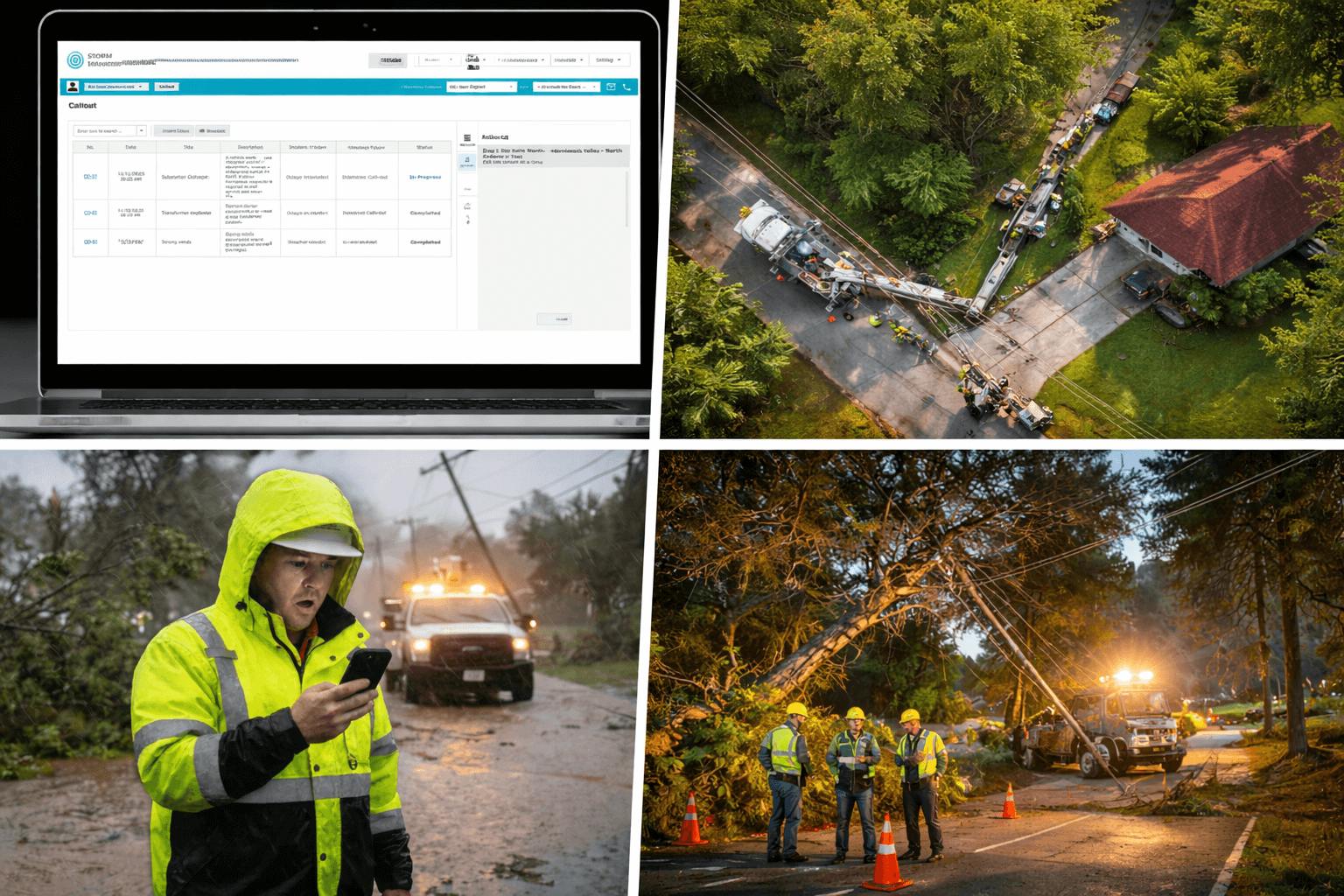
Across the industry, there is growing momentum toward real-time, adaptable operations. This shift reflects broader trends in utility management: greater emphasis on auditability, increased reliance on digital workflows, and a move away from individual heroics toward repeatable, defensible processes.
In this model, callout logic is defined in advance and applied consistently. Rules around rotation, seniority, and eligibility are enforced automatically. Leaders gain real-time visibility into responses as they happen, rather than reconstructing events after the fact.
Importantly, modernizing callouts should reduce complexity - not add to it. Utilities are already navigating workforce fatigue and technology sprawl. Integrating workforce mobilization into existing storm response workflows can streamline operations while improving outcomes.
The pressures facing utilities are not temporary. Extreme weather, evolving labor dynamics, and regulatory scrutiny are long-term realities. Treating callouts as a static, back-office function is no longer sustainable.
Having worked closely with utilities on storm response and resiliency; both at Urbint and now at Itron, I believe workforce mobilization deserves the same level of modernization as any other core operational system. Storm response starts with callouts, and how utilities approach it will increasingly shape their ability to respond with speed, fairness, and confidence when it matters most.

