


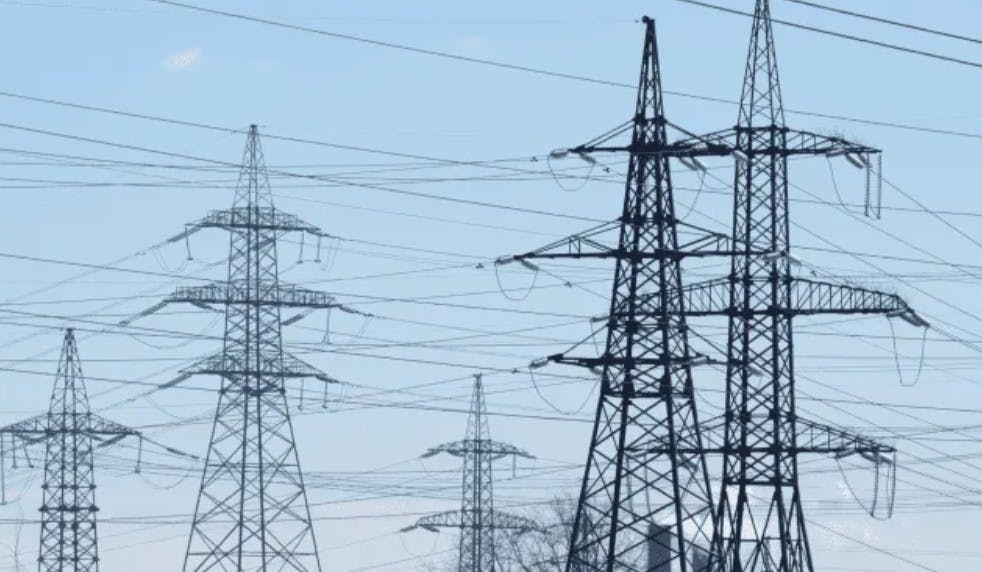
In January, Pew Charitable Trusts released a succinct but highly consequential analysis, Advanced Transmission Technologies Can Help States Meet Growing Energy Demand. In just a few pages, Pew accomplished something the energy sector has struggled to do for years: translate complex grid engineering concepts into clear, actionable insights for policymakers at precisely the moment those insights are needed most.
The article arrives amid an unmistakable shift in the U.S. electricity landscape. Load growth driven by data centers, artificial intelligence, electrification, advanced manufacturing, and climate adaptation has accelerated faster than most planners anticipated only a few years ago. At the same time, the nation faces a massive backlog of generation projects waiting to connect to an already constrained transmission grid. Pew’s contribution is not simply descriptive; it reframes advanced transmission technologies - particularly grid-enhancing technologies and advanced conductors - as practical, near-term infrastructure solutions that states can deploy now, not theoretical tools reserved for future planning cycles.
That framing matters. It signals that advanced transmission technologies have moved beyond pilot status and into the realm of mainstream public policy.
From engineering option to policy instrument
One of the most important aspects of Pew’s analysis is its treatment of advanced conductors and grid-enhancing technologies as complementary, scalable tools available to state decision-makers today. Rather than positioning these technologies as substitutes for new high-voltage transmission - an argument that often triggers ideological or jurisdictional resistance - Pew places them where they belong: as accelerants that help utilities and regulators extract more value from existing infrastructure while longer-term projects work their way through planning, permitting, and construction.
This distinction is critical. New transmission remains essential, but as Pew notes, it often takes a decade or more to deliver capacity. Advanced transmission technologies, by contrast, can be deployed in months or a few years, frequently within existing rights of way. For states confronting near-term reliability risks, congestion costs, and interconnection delays, that difference in timing can be decisive.
Equally important, Pew grounds its case in outcomes that resonate beyond the utility community. Reducing congestion costs, enabling backlog generation to interconnect, improving reliability during extreme weather, and lowering wildfire risk are benefits that speak directly to governors, legislators, public utility commissioners, and ratepayer advocates alike. By framing advanced transmission technologies as tools that serve consumers, land use priorities, and public safety - not just engineers - Pew meaningfully broadens the coalition capable of advancing grid modernization.
State policy momentum is building
Pew’s survey of state-level actions highlights an important reality: legislatures and regulators are no longer debating whether advanced transmission technologies should be considered, but how to ensure they are evaluated consistently and fairly within planning and investment processes. States such as Colorado, Maine, Minnesota, and Virginia have already enacted measures requiring studies, planning consideration, cost recovery mechanisms, or streamlined permitting for advanced technologies.
Since the article’s publication, that momentum has continued - most notably in California.
In 2024 and 2025, California advanced SB 1006, legislation that requires utilities and system planners to formally evaluate advanced conductors and grid-enhancing technologies as part of their transmission planning processes. The bill reflects California’s unique constraints - extreme wildfire risk, limited ability to permit new rights of way, and rapid load growth - but its implications extend far beyond the state’s borders.
California’s action is not an outlier; it is a signal. Faced with acute reliability, safety, and affordability challenges, policymakers recognized that reconductoring and real-time grid optimization are among the few levers capable of delivering meaningful capacity increases within existing corridors. SB 1006 aligns state law with what utilities and planners have learned in practice: that advanced technologies often represent the least disruptive, most cost-effective way to increase throughput on legacy transmission lines.
Similar dynamics are emerging in other regions. New York regulators have increasingly emphasized non-wires alternatives and reconductoring before approving entirely new corridors. Western states coping with wildfire risk are reevaluating conductor performance at elevated temperatures. Across the country, planning requirements are beginning to reflect the reality that traditional assumptions about line limits and conductor performance are no longer sufficient in an era of rapid load growth and climate stress.
Federal alignment reinforces the state signal
State action is also being reinforced by federal policy. U.S. Department of Energy initiatives such as the Grid Resilience and Innovation Partnerships (GRIP) program and the Pathways to Commercial Liftoff: Innovative Grid Deployment report emphasize advanced conductors and grid-enhancing technologies as deployable solutions that can improve reliability, reduce costs, and accelerate capacity additions.
What is notable about this alignment is its consistency. Across federal studies, nonprofit research organizations, and state policy frameworks, the same conclusion emerges: reconductoring and grid-enhancing technologies are no longer niche solutions. They are central components of any credible strategy to manage near-term grid constraints while longer-term transmission investments proceed.
Benefits that are already being realized
Perhaps the most compelling aspect of Pew’s analysis is that it describes benefits that are no longer hypothetical. Across the United States and internationally, utilities have already demonstrated that advanced conductors can materially change the performance of existing transmission lines.
High-performance conductors such as ACCC Conductor developed by CTC Global have been deployed on existing structures to deliver substantially higher capacity without increasing sag, often while improving reliability under high-temperature and extreme-weather conditions. These projects have enabled utilities to move more power through constrained corridors, reduce exposure to congestion costs, and improve system resilience during peak demand periods.
In regions prone to wildfire, advanced conductors have delivered another critical benefit: reduced thermal sag at elevated operating temperatures. By maintaining ground clearance under conditions that would challenge conventional conductors, utilities can lower ignition risk while still meeting growing demand - an outcome that directly aligns with Pew’s emphasis on public safety and resilience.
Importantly, these deployments demonstrate that advanced conductors are not merely engineering upgrades; they are planning tools. They give utilities and regulators optionality - allowing capacity to be added incrementally, targeted where constraints are most acute, and delivered on timelines measured in months rather than decades.
Why Pew’s contribution matters now
Pew’s article arrives at a moment when the consequences of inaction are becoming increasingly visible. Transmission congestion costs continue to rise. Interconnection queues grow longer. Extreme heat, storms, and wildfires test the grid in ways prior planning paradigms did not anticipate. Against that backdrop, Pew provides policymakers with something invaluable: a clear, well-documented case that advanced transmission technologies are credible, cost-effective, and ready to be deployed at scale.
Equally important, the article helps normalize these technologies within the policy discourse. By situating advanced conductors and grid-enhancing technologies alongside more familiar infrastructure solutions, Pew lowers the barrier to adoption and encourages states to incorporate them into standard planning, rather than treating them as exceptions.
Looking ahead
Advanced transmission technologies are not a replacement for new high-voltage transmission, nor does Pew suggest they should be. But they are proving to be indispensable tools for meeting near-term needs while the nation undertakes the longer process of grid expansion. The growing wave of state action - from study bills to planning mandates to streamlined permitting - reflects a shared recognition that the status quo is no longer sufficient.
By clearly articulating the problem, outlining available solutions, and highlighting practical policy pathways, Pew has helped move the national conversation forward. As states continue to respond to accelerating load growth and infrastructure constraints, the insights offered in this analysis will serve as an important reference point - one increasingly validated by real-world experience.
In that sense, Pew’s work does more than inform policy. It helps ensure that proven solutions already delivering benefits on the grid receive the consideration they deserve, at exactly the time they are most needed.