


By Kennedy Maize
The Environmental Protection Agency has issued new air emission standards for oxides of nitrogen (NOx) from new utility-scale gas-fired turbines. They ratchet emissions down from the existing levels set in 2006, but are far less stringent than a proposal launched at the end of the Biden administration in 2024.
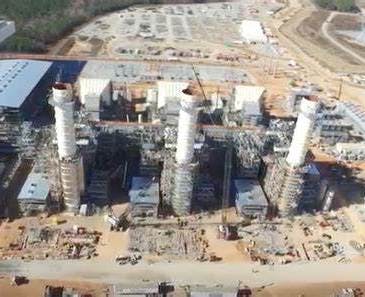
After EPA enacted its NOx rule in 2006 during the George W. Bush administration, the agency ducked updates until the Environmental Defense Fund and the Sierra Club in December 2022 sued, which led to the 2024 proposed rule.
The EPA’s New Source Performance Standards under the Clean Air Act create three categories of plants that will be affected — large, medium, and small — based on a capacity factor dividing line of 45%. Limits will vary by size and operation from 5 parts per million on the low end to 25 ppm on the high end, with the most efficient plants having the lower emissions limit.
EPA in a fact sheet claims the new rules will lead to “net annual NOX emission reductions of up to 296 tons by 2032,” and “cost savings for industry to be up to $87 million over 8 years.” The Biden administration’s proposed rule claimed it would reduce annual NOx emissions by 2,659 tons.
The specificity of the numbers is entirely unreliable although administrations of both parties often concoct numbers to bolster their policy preferences. EPA acknowledges this problem, while continuing to contribute to it. In an economic analysis of its rule, EPA observes,
“Historically, however, the EPA’s analytical practices often provided the public with a false sense of precision and more confidence….”
The new rules avoid one significant element of the Biden proposal of December 2024: a discussion of possible health effects in the new rules compared to the 2024 plan. Citing the uncertainties of such claims, EPA says it won’t make an estimate of the health effects of its new rule, noting in passing, “There are also potential NOX disbenefits associated with the use of higher efficiency combustion turbines.” It is likely the harmful health effects of the new rules would be higher than the Biden-era proposal.
The new EPA rule does not touch existing new source performance standards for emissions of sulfur dioxide and small particulates, which it found are adequately protecting the public.
The new EPA rule prompted harsh criticism. The Union of Concerned Scientists commented that “the final rule is significantly weaker than the 2024 proposal and includes new polluter loopholes.”
UCS’s Julie McNamara, director of the Boston-based group’s climate and energy program, said, ““Communities across the country are scrambling to fight the threat of surging pollution harms from new fossil gas plants built to meet insatiable data center electricity demand. Instead of protecting people’s health, however, these deficient new gas turbine standards make clear Trump’s EPA is only here to boost the profits of Big Tech and the fossil fuel interests that serve them.”
McNamara charged that “when tallying the impacts, the agency literally, entirely, completely excised consideration of public health harms. This also sets an alarming precedent for future agency rulemakings.” This failure by EPA, McNamara said “is flagrant, shameless, lawless.”
The Environmental Defense Fund said that the new rule “for some gas plants is even weaker than the protections that have been in place since 2006. The rule also includes a carve-out that allows certain temporary gas turbines, which can be used at data centers, to pollute more NOx than other sources.”
EDF also hammered EPA’s purposeful decision to avoid discussion of health impacts, which the group said “abandons EPA’s time-tested practice under administrations of both parties of undertaking rigorous economic analysis to evaluate both the benefits and costs of clean air protections. It will allow EPA to effectively ignore the health impacts of future decisions related to air pollution and air quality protections.”
EDF attorney Noha Haggag said, “EPA is leaving millions of people in harm’s way when common sense solutions are at hand for modern national limits on nitrogen oxides pollution and those solutions are urgently needed to address the pollution from combustion turbines being deployed in communities across the country.”
Andres Restrepo, a Sierra Club attorney, said the new rule “is a major step back from the proposal in 2024, and does not do nearly enough to protect Americans from dangerous gas plant pollution. It is particularly unconscionable that for some gas plants, Donald Trump’s EPA has actually weakened the NOx limits that had already been in place for close to two decades. Our families and communities deserve far better, and we will consider all legal options available going forward.”
